1. Super Mario Bros

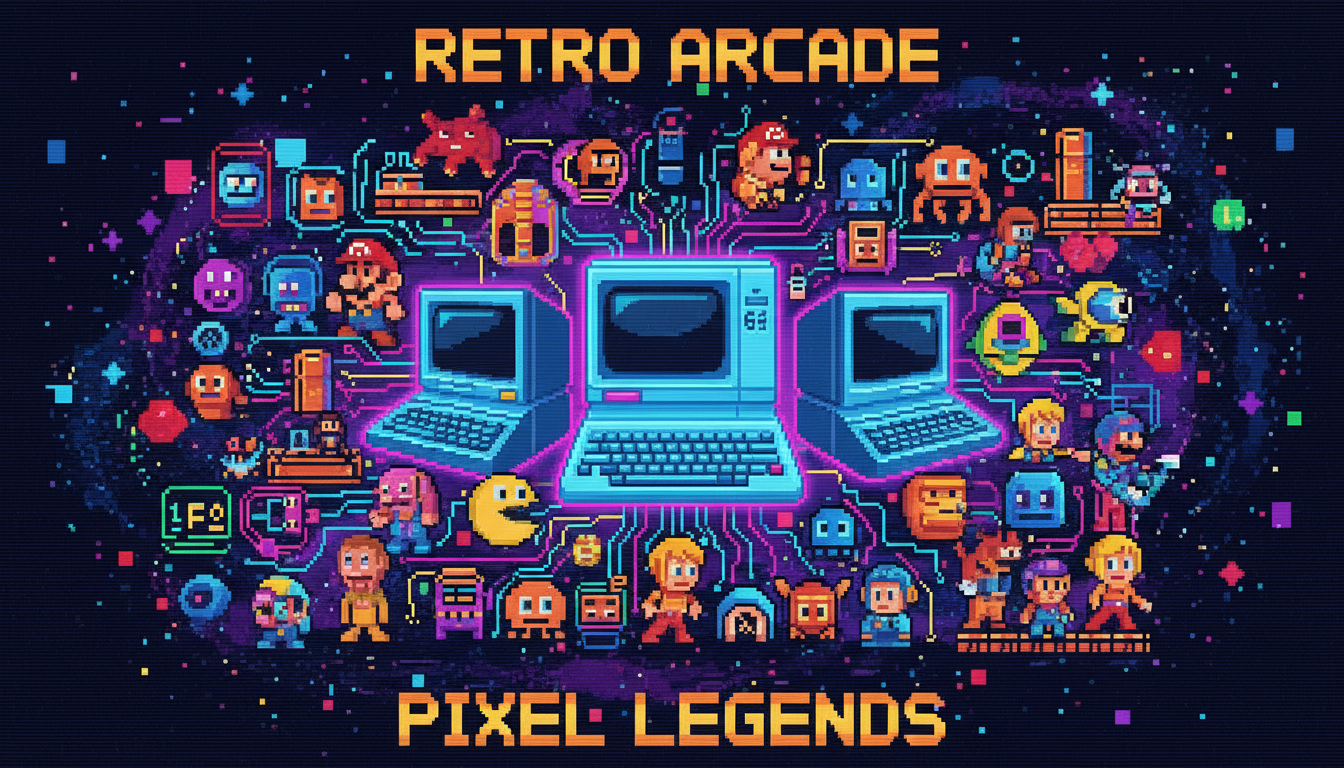
Mario (a carpenter or is he a plumber? by trade) has appeared in over 200 video games since his creation, he first appeared in the brilliant 8-bit game Donkey Kong (1981). His adventures generally center on rescuing Princess Peach from the Koopa villain Bowser. The Mario franchise was created by Japanese video game designer Shigeru Miyamoto – this is purely a Nintendo concept. The overall Mario franchise is the bestselling video game franchise of all time.
The first release was a 2D platform variant of the series was Super Mario Bros in 1985, which began with a 16x32 pixel rectangle prototype as the character. Mario could jump, change size via power ups, fly in a rocket ship and fire bullets.
2. Chuckie Egg

Chuckie Egg was released by A&F Software in 1983 initially for the ZX Spectrum, BBC Micro (best version), and Dragon 32/64. It was ported to the Commodore 64, Acorn Electron, MSX, Tatung Einstein, Amstrad CPC, and Atari 8-bit family.
A great platform game where you had to collect all the eggs using platforms and ladders. If you took too long you would be chased around by a giant yellow duck (or was it a chicken?)
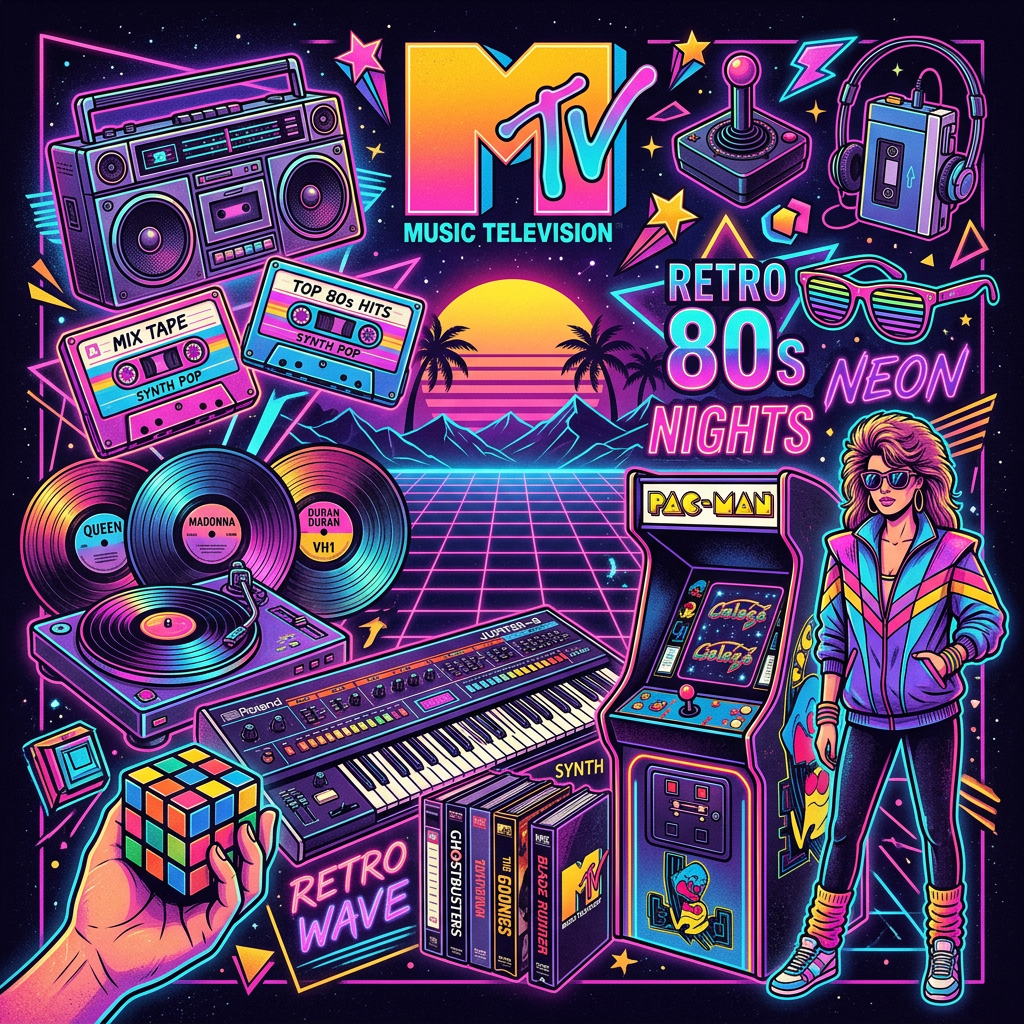
The golden age of 8-bit computing brought us some of the most innovative and addictive games ever created. From the ZX Spectrum to the Commodore 64 and Atari 2600, these machines may have been limited in graphics but they were unlimited in fun. Final Fantasy The first game in the series was released in 1987, a bit late in the game for 8 bits. The games were role-playing games, each with different settings, plots and main characters. Also released on the SNES and Play Station
3. Shinobi

In Shinobi you’d play the ultimate ninja with a host of available moves where you’d hack and slash your way through various enemies including punks. Another early 2D platform game released around 1987 with great clean colourful graphics. There is even an 8 bit Shinobi Facebook. Shinobi has successfully transitioned to the latest gaming systems proving its worth. It was great to play on the Sega Game Gear. You would come away with improved Ninjitsu skills you could try out on friends and family.
4. The Legend of Zelda (LoZ)

Primarily a Nintendo platform this was an epic elf like fantasy adventure originally released in 1986. It started at a top down 2D game and moved to 2D sideview. The gameplay had a bit of everything and introduced puzzle solving and side quests and sometimes confusing maps. Later versions possibly had the best audio soundtrack and even some of the puzzles were audio.
5. Galaxian

A bit like space invaders on steroids. Probably best on the Atari 8 bit first released on 1979. It was a straight forward shooter, save the earth against multiple hoards of aliens type of game. The game featured swooping divebombing ships that introduced an element of early 80’s style mild peril. You cant beat a vertical shooting scroller.
6. Frogger

First released in 1981, you’d manoeuvre a small yellow frog first across a treacherous road to a safe bit in the middle only to have to then cross a perilous river featuring what looked like orange turtles. You’d hop onto to passing logs going from side to side whilst attempting to place your frog in a ‘home’ location at the top. Getting your frog home to the square at the end was always the trickiest. Mild peril without the shooting and slashing.
7. Manic Miner (1983)

One of the first home computer games with continuous background music played through the tiny internal beeper of the ZX Spectrum. The Spectrum didn’t even have a proper sound chip—just a single-channel “beep” speaker. So this tune is basically one note at a time… rapidly switching… tricking your brain into hearing music. Created by Matthew Smith, who was just 17 years old at the time. You play as Miner Willy, exploring underground caverns to collect items and escape each level. It was difficult to finish. You needed to collect all flashing items, avoid enemies & hazards and reach the exit before oxygen runs out. Sounds easy? It’s not. You had to make Pixel-perfect jumps and contend with instant-death collisions. It’s one of the earliest examples of “hard but fair” gameplay. Every level was a puzzle of timing and positioning, there was no randomness — it was pure skill. One mistake and you had to restart. The game has 20 levels, but many players never saw past the first few. Led to the sequel: Jet Set Willy.
8. Elite — the game that built a galaxy inside 32KB

Elite dropped players into a fully explorable universe and basically said: “Do whatever you want.”. Originally released on the BBC Micro, then ported to systems like the ZX Spectrum and Commodore 64. What made it mind-blowing was it invented around 8 galaxies, each with 256 star systems. That’s 2,000+ planets to explore. With 3D wire frame graphics where ships and stations were rendered in real-time 3D. No textures — just lines. It still felt futuristic as hell in 1984. It all fitted into tiny 8-bit memory using procedural generation. It largely featured combat & flying with a first-person cockpit view, real-time dogfights, laser weapons, missiles and docking that required actual skill (and patience). Docking with a spinning space station was basically a mini-game of terror. The game respected your intelligence and punished your mistakes. You could lose everything in seconds.
Other greats included Donkey Kong, Tetris, Chopper Command, Pole position, Ghost Busters, Batman..